The North Shore Real Estate Market Pulse is intended to keep readers apprised of what’s going on in local real estate markets and in the global financial markets that affect real estate via inflation, interest rates, capital flows and public policy. It is best suited for those not able to keep up with all the news every day but still wanting to be informed.
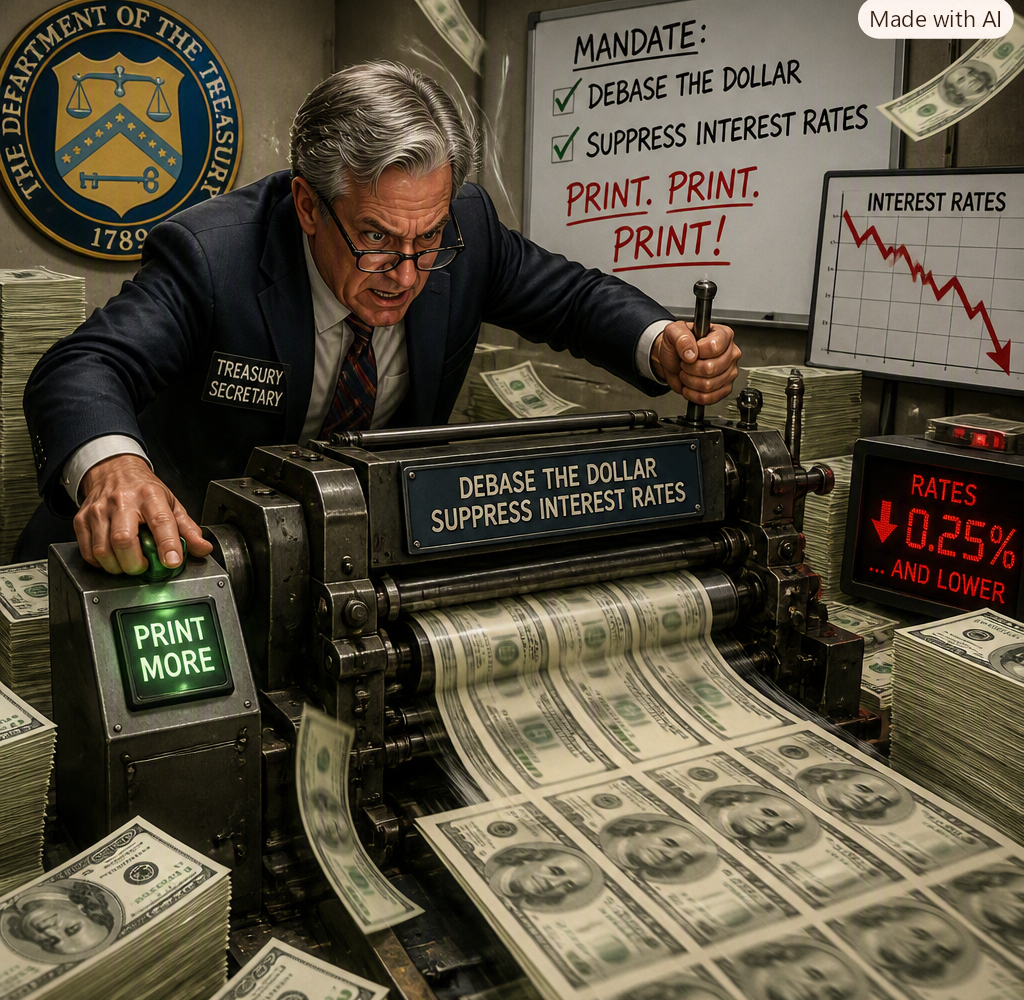
The North Shore Real Estate Market Pulse – Print Like Crazy, August 20th, 2026
August is typically a very slow month for real estate on the North Shore and this year looks to be no exception based on data from the first 60% of the month. Inventory of detached homes is continuing to dwindle, while those of condos remain stubbornly high. Might this foretell how the fall market will play out, with supply contracting in what is of the highest demand, and vice versa? Still, inventory remains much higher than it has been in recent years, a condition that has much further to go before significant pricing pressures might occur again. The fall market is typically the 2nd season for real estate after the spring, and while it is shorter, it can be a good time for many to buy or sell a home with plenty of inventory to choose from and motivated buyers aplenty.
North Vancouver Entry-Level Houses ($1.4-2.1M) | West Vancouver Houses Under $2.4M
North Vancouver Move-Up Houses ($2.1-2.8M) | West Vancouver Move-Up Houses ($2.4-3.2M)
In terms of what might change the calculus of buyers, we will watch closely the ongoing talks between Canada and the US, the uncertainty of which has been important in the decision to buy a home for those whose employment depends on free trade. Also of interest is the US Treasury offering buy-backs of long-dated debt securities to attempt to control the increase in interest rates. To many observers, this acts as a monetization of debt, pushes interest rates lower and by doing so debases the US Dollar. The way asset markets (including real estate markets) have reacted to episodes of this going back decades has been to rise in price. More on that later.
Interest rates in Canada have not been affected by the above. They are at risk of breaking out to higher levels than we have seen in the past two years. This, as more and more homeowners in Canada have again begun to shift toward variable rate mortgages. The hope that mortgage rates falling toward 3% would be a catalyst for the housing market is evaporating. Current government bond yields seem to indicate that 4.5% might be the lowest rates available on a fixed term. This may force the Bank of Canada to increase their benchmark rate at one or both of the meetings in the fall, something that would also impact variable rates.
North Vancouver Townhomes Under $1.3M | North Vancouver 2BR Condos Under $800K
Stock markets are sitting near fresh all-time highs after posting blowout earnings reports for the 2nd quarter. This is excepting the high-flying chip and AI stocks that were driving the market for the past 18 months. Consider this a form of catch-up. Companies were reporting increases in consumer spending, profits from rising commodity prices, and increased business from mergers & acquisitions.
Gold has not yet returned to its all-time highs from the winter, but has rallied in the wake of the bond buying announcements by the US Treasury. Similar can be said for Silver, Copper, and many other commodities. Bitcoin also found a bid, and quickly passed the $70,000 mark for the first time since early June. With selling by long-time holders seemingly exhausted, might the lack of supply propel it higher again? The fate for all of these will likely hinge on how far along the dollar debasement path the US Treasury is willing to go, and whether other nations are put in positions to do the same or suffer consequences they’re not comfortable with. As one commentator put it today, “[US Treasury Secretary] Bessent is going to print like crazy. And he’s going to tell every other nation to do the same.”
North Shore Real Estate Team
Disclaimer: The information provided in this column is for general informational purposes only and does not constitute financial, investment, or other professional advice. While we strive to provide accurate and up-to-date information, we make no warranties or representations as to its accuracy, completeness, or reliability. Any actions taken based on this information are at your own risk. Always consult with a qualified financial advisor before making any investment decisions.